




-
 Uncategorized
-
 0 Comments
How Do Blackout Curtains Work? A Complete Guide to Light Blocking, Insulation and Better Sleep
If you have ever tossed and turned while streetlights cut straight into your bedroom, or struggled to watch a movie because bright afternoon sun washed across your television, you know how frustrating unwanted light can be. Managing the light that enters your home is one of the most effective ways to create a relaxing, comfortable, and functional indoor space.
When homeowners look for ways to darken a room, they frequently ask us one core question: how do blackout curtains work?
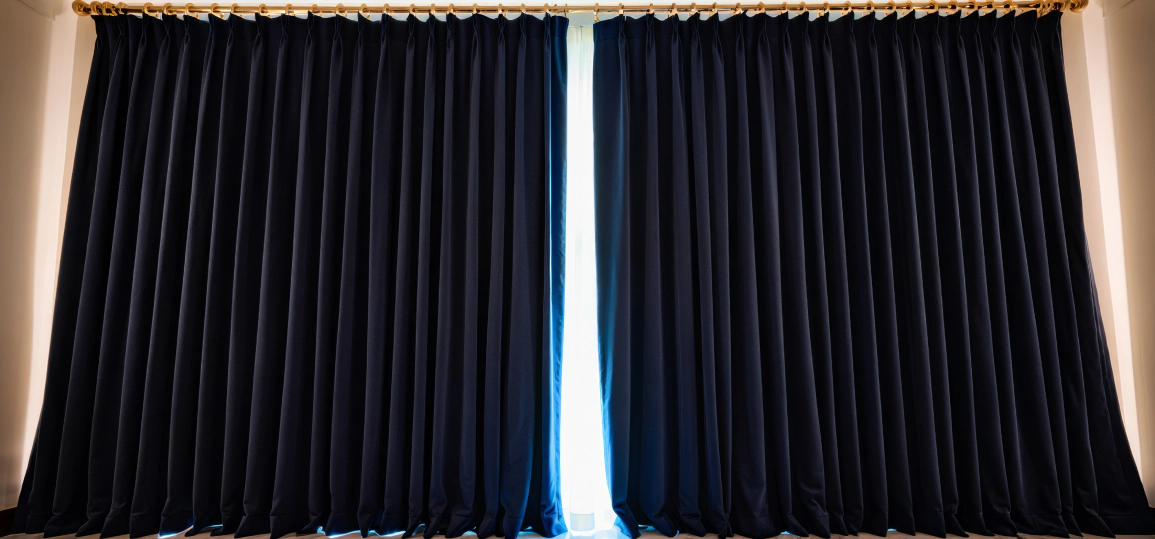
At a glance, blackout drapery looks like regular decorative window fabric. However, the internal textiles, multi-pass coatings, and layered construction beneath the surface are what set them apart. In this guide, we explore the science behind light-blocking fabrics, discuss how thermal insulation keeps your rooms comfortable, and explain what to look for when choosing window coverings for your home.
What Are Blackout Curtains?
To understand how these window treatments perform, we must start with the basics: what are blackout curtains and how do they differ from ordinary fabric drapes?
Standard window curtains use lightweight, woven materials designed to soften incoming sunlight and provide moderate privacy. While these fabrics look attractive, the loose weave leaves microscopic openings between threads. Natural light easily travels through these tiny gaps, illuminating the room even when the drapes are pulled completely shut.
True blackout curtains are custom-designed window coverings built to block between 99% and 100% of incoming light. Instead of simply diffusing daylight, they create a solid barrier against the sun, bright streetlights, and headlights.
The actual meaning of blackout curtains goes beyond hanging dark fabric over a window frame. A common misconception is that dark navy or black fabric will automatically block light. In reality, a standard dark sheet or unlined curtain will still glow when daylight hits the back of it. True light blockage requires dense thread weaving, specialized core layers, or multi-pass backing coats applied directly to the textile.
When paired with professional residential window treatments, these panels are measured and cut to match your exact window dimensions. This custom fit prevents light from leaking around the edges, giving you a dark room whenever you want to rest.
The Science of Light Control: How Do Blackout Curtains Work?
To see how blackout drapery stops daylight, we have to look at the manufacturing techniques used in modern textiles. Window treatment manufacturers use three main construction methods to stop light from passing through the fabric.
1. High-Density Triple-Weave Technology
Triple-weave technology is one of the most common methods for producing soft, flexible blackout fabrics. Instead of weaving a single layer of yarn, the loom weaves three separate layers of thread simultaneously to create one unified piece of cloth:
- The Face Layer: This is the decorative front fabric that faces into your living room or bedroom. It can feature any color, pattern, or texture you like.
- The Middle Layer: This is a dense core woven from black, light-absorbing threads. This hidden layer catches incoming light rays and prevents them from traveling through to the decorative front.
- The Back Layer: This is a protective, clean backing fabric that faces the window glass and the street outside.
Because all three layers are woven together tightly with high thread counts, the finished cloth remains soft, flexible, and easy to drape while stopping up to 98% of natural light.
2. Multi-Pass Acrylic Foam Backings
When you need complete, total darkness, coated fabrics offer maximum opacity. In this method, liquid acrylic foam is applied directly to the reverse side of a decorative textile in distinct stages known as passes:
- 1-Pass Coating: A single layer of acrylic foam is applied to the back of the cloth. This reduces light levels and provides basic temperature control, making it a great option for room darkening.
- 2-Pass Coating: A layer of black foam is applied first to block light rays, followed by a white or neutral topcoat to provide a clean look from the street.
- 3-Pass Coating (100% Light Blockage): The fabric receives a white base coat, a solid black core layer to stop all light penetration, and a final white surface coat.
A 3-pass blackout backing stops 100% of incoming daylight. It transforms any decorative fabric into a true barrier against the brightest direct sun.
3. Layered Liners and Interlinings
Many custom drapery setups use a separate, standalone blackout liner sewn directly behind the main face fabric. In higher-end setups, an additional middle layer called a flannel interlining is placed between the decorative face and the blackout liner.
This multi-layer assembly adds structure, body, and weight to your curtains. It also creates insulating air pockets between the fabric layers, which helps regulate room temperature and softens outside neighborhood noise.
Do White Blackout Curtains Work?
A widespread myth is that window treatments must be dark in color to block sunlight effectively. Homeowners often ask: do white blackout curtains work?
The short answer is yes, they work exceptionally well.
The front color of the fabric facing into your room has very little impact on light-blocking performance. The actual light blocking happens inside the dense black core of a triple-weave fabric or within the acrylic foam backing on the reverse side. The front of the curtain can be bright white, soft cream, beige, or any light pastel tone you prefer.
In fact, light-colored backings facing the window glass offer several practical advantages:
- Solar Reflection: White backings reflect radiant heat away from your windows, keeping indoor spaces cooler during hot summer days.
- Neighborhood Consistency: Many homeowners associations require window coverings to show a uniform white or neutral backing from the exterior street view.
- Design Freedom: You can maintain a light, airy decorating style in your home while still getting pitch-black sleeping conditions when the curtains are drawn.
How Heavy Are Blackout Curtains?
Before hanging new drapes, you need to understand their physical profile. Many people wonder: how heavy are blackout curtains?
Blackout drapes are noticeably heavier than standard unlined draperies because of their dense thread count, layered linings, and foam coatings:
- Standard Unlined Curtains: Usually weigh between 0.5 and 1.5 pounds per linear yard.
- Triple-Weave Blackout Panels: Average around 1.5 to 2.5 pounds per linear yard.
- 3-Pass Coated or Interlined Custom Drapes: Often weigh between 3 and 5 pounds per linear yard. Large floor-to-ceiling installations can weigh 15 to 30 pounds or more across a full rod setup.
Because of this substantial weight, lightweight tension rods or standard drywall anchors are not sufficient. Heavy-duty metal drapery rods securely anchored into wall framing studs are necessary to support the fabric over time and ensure smooth daily operation.
Practical Benefits of Blackout Curtains
While darkening a room is their primary job, a quality blackout curtains installation provides several valuable benefits for your home.
1. Deeper Sleep and Circadian Rhythm Support
Your body naturally produces melatonin, the hormone that manages your sleep cycle, in dark environments. Light shining through your bedroom windows from streetlights, late evening sun, or early morning dawn can disrupt this cycle. Installing dedicated bedroom blackout curtains creates a dark, restful space that helps children, night-shift workers, and light sleepers get sound, healthy sleep.
2. Year-Round Energy Savings and Thermal Insulation
Windows are responsible for a significant amount of heat transfer in any building. High-grade insulated curtains act as an extra insulating layer against the glass:
- Summer Protection: They stop direct solar heat from warming up your rooms, reducing the load on your air conditioning.
- Winter Protection: The dense fabric traps warm indoor air and blocks cold drafts from entering through the window glass.
Using energy efficient curtains keeps indoor temperatures steady and helps lower monthly utility costs throughout the year.
3. Screen Glare Reduction
Direct sun shining onto computer monitors and television screens causes harsh reflections and eye strain. Hanging custom media room curtains keeps home theaters and home offices clear of glare without requiring you to turn screen brightness up to maximum.
4. UV Protection for Flooring and Furniture
Sunlight contains ultraviolet rays that cause hardwood floors, carpets, artwork, and furniture upholstery to fade and break down over time. Installing heavy light blocking curtains stops UV radiation from entering your home, protecting your interior investments for years to come.
| Feature | Standard Unlined Drapes | Custom Blackout Curtains |
| Light Blockage | 40% to 60% | 99% to 100% |
| UV Ray Defense | Minimal | High (Up to 100%) |
| Thermal Insulation | Low | High (Reduces heat transfer) |
| Sound Dampening | Negligible | Softens ambient street noise |
| Average Fabric Weight | 0.5 to 1.5 lbs per yard | 2.0 to 4.5+ lbs per yard |
Choosing Blackout Solutions for Different Rooms
Every room in your home serves a unique purpose, which means your window treatments should match how you use the space:
- Bedrooms and Nurseries: Require 100% light-blocking fabrics with generous overlap at the sides and bottom to keep early morning sun from waking you up.
- Living Rooms and Family Areas: Many homeowners prefer flexibility here, pairing custom decorative drapes with light filtering shades or custom roller shades so they can switch between daytime sunlight and nighttime privacy.
- Home Theaters: Benefit from floor-length drapes with heavy 3-pass linings that keep out outside light and help absorb interior sound echoes.
- Offices and Commercial Spaces: Require balanced glare control. Combining fabric panels with commercial window treatments or commercial roller shades creates a clean, comfortable working environment for employees and clients.
Layering Drapery with Modern Shade Systems
Drapes do not have to work alone. Many homeowners pair fabric curtains with other window covering styles to create versatile layered systems:
- Dual-Layer Functionality: Installing double roller shades or day and night shades under your drapes lets you switch between soft, diffused light during the day and total privacy at night.
- Motorized Convenience: Pairing your drapes with motorized shades or smart home window treatments allows you to schedule your window coverings to open and close automatically from a remote, a wall keypad, or your phone.
- Sleek Minimalist Looks: If you prefer clean lines, a professional roller shade installation provides effective light control without taking up extra wall space.
The Importance of Proper Installation
A blackout fabric can only do its job if it is hung correctly. Even the thickest 3-pass material will fail to darken a room if light escapes around the edges, an issue known as light bleed.
To achieve complete darkness, follow these key installation practices:
Hang High and Wide
Mount your curtain rod 4 to 6 inches above the window frame or near the ceiling line, and extend the rod 6 to 8 inches past the frame on each side. This allows the drapery to overlap the surrounding wall, stopping light from leaking past the edges.
Use Return Wraps or French Rods
Wrap the outer edges of the curtain panels around the bracket directly back to the drywall, or use French-style curved rods. This closes the gap between the curtain and the wall, eliminating side light leaks.
Keep the Correct Length
Curtains should touch the floor or rest slightly on the floor surface. Drapes that end above the window sill leave a wide gap that lets sunlight bounce across the room.
Choosing professional custom window treatment installation ensures your measurements are precise, your hardware is secured into solid wall studs, and your drapes hang straight.
Working with Dependable Window Treatment Professionals
Getting the right measurements, fabric weight, and hardware for your home requires precision and care. That is why working with a reliable window treatment company makes all the difference.
Whether you need a dedicated blackout curtains installation, updated custom shades, or dependable window treatment installation, tailored measurements eliminate light gaps and keep heavy drapery safely anchored. Working with a trustworthy local team ensures your project is completed properly from start to finish.
At Lumiere Shades Drapes Design, we help homeowners and business owners across Denver, CO find dependable window treatments tailored to their exact spaces. With over 10 years of industry experience, we provide reliable service you can count on, arriving on time and completing every project with great attention to detail. Whether you need custom blackout drapes, window shade installation, or modern motorized shades installation, we guide you through fabric selection, precise measurements, and solid installation so your window treatments look great and perform reliably. Call us at (720) 579-1796 today to discuss your next project with our team.
